86-592-5659128 (to8016)
anna@xmydx.com English
 Deutsch
 español

20 YEARS Silicone manufacturer
86-592-5659128 (to8016)
anna@xmydx.com
20 YEARS Silicone manufacturer



2026-11-11
Short answer: A study published in late 2025 tested 25 silicone bakeware products sold in Canada and found that they can release cyclic siloxanes into food and air at baking temperatures — and that the release declined with repeated use. The study measured emission, not health outcomes. For a home baker, the practical response is four habits: condition new bakeware once, ventilate the first few uses, stay inside the rated temperature, and retire a pan once the surface degrades.
This article separates what the data shows from what the headlines implied, and explains what it means if you are the one specifying the product.
• The finding is real but narrow. It is a measurement of chemical release at baking temperature, not a clinical study of health effects.
• Release fell with reuse. That is the single most useful sentence in the paper for a consumer deciding what to do.
• "Food-grade" is a threshold, not a guarantee of zero migration. Every food-contact material has a permitted migration limit.
• Temperature is the control knob. Below the rated range, migration is at its design level; above it, degradation products appear.
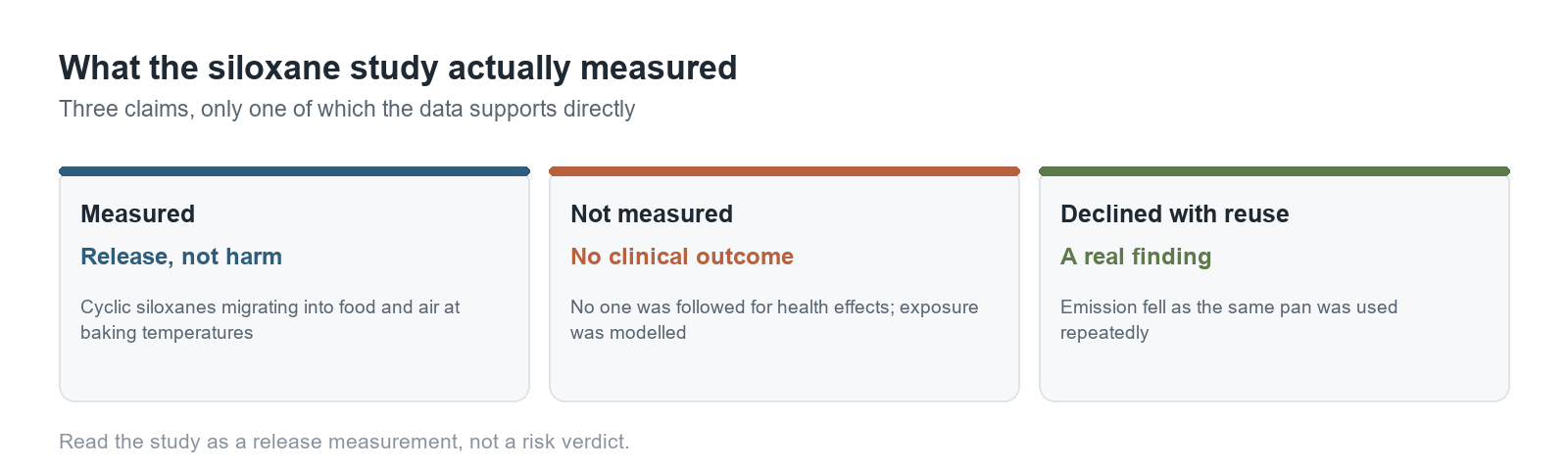
Figure 1. Three claims — only one of which the data supports directly.
The research, published in the *Journal of Hazardous Materials*, took silicone bakeware products purchased on the Canadian market and measured what came out of them when they were heated the way a home oven heats them.
Two things were measured: migration into food, and emission into the air. The analysis identified a large number of cyclic siloxane compounds across the sample set — reported as 25 compounds across 25 products — with the amounts varying widely between products.
That variance matters more than the headline. If two pans sold at the same price differ by an order of magnitude in emission, the difference is in the material and the cure, not in the category.
Cyclic siloxanes are a family of silicon-oxygen ring compounds — D4, D5 and D6 are the ones most often discussed — used across cosmetics, industrial fluids and silicone manufacturing. They are volatile enough to migrate into air at oven temperatures and mobile enough to enter fatty food.
They are not a contaminant that "should not be there." They are a normal constituent of silicone chemistry, and the question regulators and researchers are working on is not presence but level and exposure.
Three things the coverage often skipped:
• No health outcome was measured. Nobody was over time. Exposure was modelled, not observed.
• No comparison to a threshold. The paper reports release; it does not conclude that a specific pan exceeds a specific safety limit.
• No product ranking that survives. Amounts varied so widely that "silicone bakeware" is not a single exposure category.
The reasonable reading is: this is a signal to prefer well-made, well-cured material and to use it within its rated range — not a reason to throw out every silicone pan.
This is the part most buyers get wrong. Food-contact compliance — FDA 21 CFR 177.2600 in the US, LFGB in Germany and the EU — sets limits on what may migrate, under defined test conditions. Passing means "below the limit," not "nothing comes out."
That is true of every material: glass is the rare exception because it is inert. A certificate tells you the material is inside the regulatory envelope at the tested temperature. It does not tell you the product is emission-free at any temperature you choose to use it at.
Two manufacturing choices move a product toward the low end of that envelope:
1. Platinum cure instead of peroxide cure. Cleaner chemistry, lower volatile content, less odour.
2. Post-curing. A controlled heat cycle that drives off residual volatiles before packing. It costs time and is the first thing a cheap factory skips.
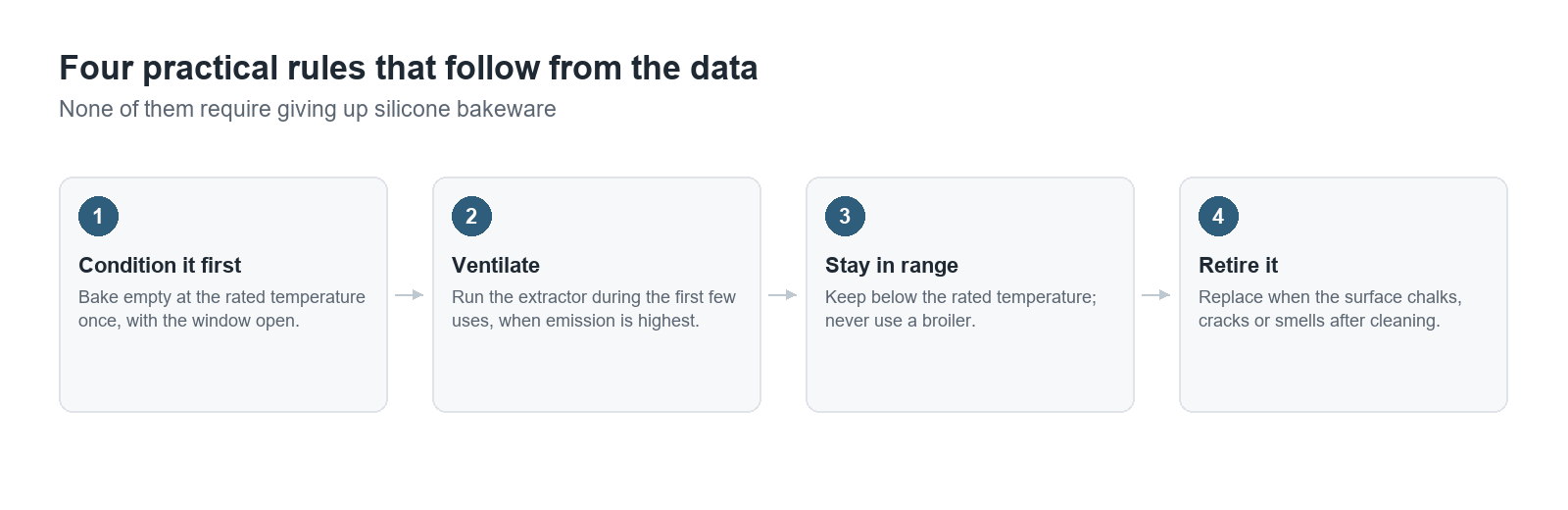
Figure 2. None of these require giving up silicone bakeware.
1. Condition it once. Bake the empty pan at its rated temperature for one cycle, with the window open or the extractor running. Emission is highest when the part is new.
2. Ventilate the first few uses. The decline with reuse is gradual, not instant. The first three or four bakes are the ones worth ventilating.
3. Stay inside the rated range. Most food-grade silicone is rated to about 230 °C / 450 °F. Broilers and direct grill contact are outside the design envelope, and that is where degradation products come from.
4. Retire it when it degrades. Chalking, cracking, a permanent smell after cleaning, or a surface that stays tacky are all signs the material has passed its useful life. At that point the emission profile is no longer the one that was tested.
The study raises the bar on documentation, not on category viability. Four things worth putting in a purchase order:
• Ask for migration data on the finished article, not a compound datasheet. The moulded part is what gets tested.
• Specify post-cure explicitly. "Post-cured" in a quotation is a claim; a process parameter in the PPAP is evidence.
• Ask for a volatile content or odour check as an outgoing inspection item. It is the cheapest proxy for cure quality.
• Do not over-claim. "Non-toxic" and "chemical-free" are not test results, and a retailer's compliance team will reject them. "Meets FDA 21 CFR 177.2600 at 230 °C" is defensible.
If you are building a bakeware range and want the material and cure specified rather than assumed, send your drawing and target market — the compliance route is different for the US and the EU, and it changes what we test.
Is silicone bakeware still safe to use after this study? For most people, yes, within its rated temperature. The study measured release, not harm, and release fell with repeated use. Condition new pans, ventilate the first uses, and replace pans that have degraded.
Does silicone leach chemicals into food? It can release small amounts of siloxanes, and the amount depends on the compound, the cure and the temperature. That is why food-contact regulations set migration limits rather than requiring zero.
Is FDA-approved silicone a real thing? No. The FDA does not "approve" food-contact materials. It publishes regulations — 21 CFR 177.2600 for rubber articles — and a material either complies or does not. Treat "FDA approved" on a listing as marketing language.
Is platinum-cured silicone better than peroxide-cured? For food contact, generally yes: lower volatile content, less odour, more consistent cure. It also costs more, which is why the distinction is worth writing into a specification.
At what temperature does silicone bakeware become unsafe? Most food-grade silicone is rated to about 230 °C / 450 °F. Above that — and especially under a broiler — the material degrades and the emission profile changes. The rated temperature is a design limit.
Should I replace all my silicone bakeware? No. Replace pieces that are chalking, cracked, permanently odorous or tacky after cleaning. Those have passed their service life regardless of this study.
• Food & Wine, *Silicone Bakeware Can Leach Chemicals Into Food, Study Finds* — foodandwine.com
• *Journal of Hazardous Materials* study record — PubMed 40876430
• Time, *Is Silicone Really Better Than Plastic?* — time.com
About Xiamen Yidexin Silicone Rubber Industrial Co., Ltd. Founded in 2004 in Xiamen, China, Yidexin moulds custom silicone houseware, baby products and OEM parts. The factory runs 10 production lines with 50+ QC staff; total staff 109, including 5+ certified engineers. Intertek onsite verified in January 2026. Hardness range 20–80 Shore A; MOQ 100–2,000 pcs; sampling 3–7 days for parts. See food-grade silicone capabilities.

2F/YISHENG BUILDING,1ST INDUSTRIAL ZONE,DIANQIAN,HULI DISTRICT,XIAMEN CITY,CHINA
86-592-5659128 (to8016)
+86-592-5785493
+86-13850076578
Freundliche Links :
marijuana420packaging© 2016 XIAMEN YIDEXIN SILICONE RUBBER INDUSTRIAL CO.,LTD Alle Rechte vorbehalten dyyseo.com
Online Contact
 86-592-5659128 (to8016)
 anna@xmydx.com
 +8613606037597+8613850076578
top