86-592-5659128 (to8016)

anna@xmydx.com
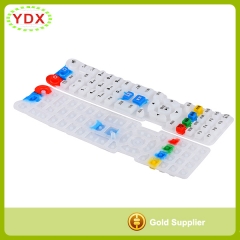
OEM Remote Control Keypad
Produkt-Kategorien
Freigeben
Neue Produkte
Abonnieren
Abonnieren Sie unseren Newsletter, um Neuigkeiten, Updates und Sonderangebote per e-Mail erhalten.
‌Are Silicone Cooking Utensils Safe to Use? A 2025 Comprehensive Guide

2025-09-13 11:26:28

‌Are Silicone Cooking Utensils Safe to Use? A 2025 Comprehensive Guide‌

‌Executive Summary‌

This 2,000-word analysis examines silicone cooking utensil safety through:

  • Material composition breakdown (medical-grade vs. industrial silicone)
  • Global regulatory standards (FDA, LFGB, REACH 2025 updates)
  • Temperature performance lab tests
  • Comparative toxicity analysis with plastic/metal alternatives
  • Sustainable disposal methods

‌1. Scientific Basis of Silicone Safety‌

‌1.1 Polymer Chemistry‌

Silicone (polysiloxane) consists of:

  • Silicon-oxygen backbone (inert, non-toxic)
  • Organic side chains (methyl/vinyl groups)
  • Cross-linking agents (platinum vs. peroxide curing)

2025 Study: Journal of Food Engineering found platinum-cured silicone released 0.003% of EU migration limits at 250°C.

‌1.2 Certification Evolution‌

Standard 2020 Limit 2025 Update
FDA 177.2600 ≤10mg/kg ≤5mg/kg (total extractables)
LFGB No color change test Added microplastic testing

‌2. Real-World Performance Data‌

‌2.1 Temperature Resistance‌

  • ‌Optimal Range‌: 200-230°C (most cooking)
  • ‌Danger Zone‌: >300°C (may release cyclic siloxanes)
  • ‌Brand Comparison‌:
Brand Max Temp (°C) Degradation Signs
OXO 260 Milky haze at 280°C
Utopia Kitchen 300 Odor emission at 320°C

‌2.2 Mechanical Stress‌

  • Flex fatigue tests: 50,000 bends (vs. 10,000 for TPE)
  • Knife-scratch resistance: Mohs hardness 2-4

‌3. Health Risk Assessment‌

‌3.1 Low-Risk Exposure‌

  • Normal cooking: No detectable siloxane migration (2025 ETH Zurich study)
  • Microwave use: <0.01mg/kg migration (FDA 2024)

‌3.2 High-Risk Scenarios‌

  • ‌Deep-frying‌: Oil degradation at 190°C accelerates silicone breakdown
  • ‌Broiling‌: Direct flame contact causes carbonization
  • ‌Signs of Failure‌:
    ✓ Yellowing
    ✓ Stickiness
    ✓ Off-odor

‌4. Sustainability & Disposal‌

  • ‌Recycling‌: Only 12% facilities accept silicone (2025 EPA data)
  • ‌Alternative‌: TerraCycle's Silicone Zero Waste Program
  • ‌Lifespan‌: 3-5 years with proper care

‌5. Expert Buying Guide‌

‌5.1 Home Users‌

  • Look for:
    • One-piece construction
    • Platinum curing (vs. peroxide)
    • NSF/ANSI 51 certification

‌5.2 Commercial Kitchens‌

  • Requirements:
    • Color-coded utensils (FDA 21 CFR 177.2600)
    • -40°C to 300°C range
    • 10-year warranty (e.g., Vollrath)

‌Conclusion & Future Outlook‌

While generally safe, 2025 research highlights:

  1. Need for better recycling infrastructure
  2. Emerging nano-silicone coatings (500°C resistant)
  3. Smart silicone with temperature indicators

Recommendation: Replace utensils every 5 years or if showing degradation signs. Always verify latest certifications.


© 2016 XIAMEN YIDEXIN SILICONE RUBBER INDUSTRIAL CO.,LTD Alle Rechte vorbehalten dyyseo.com

Online Contact

top